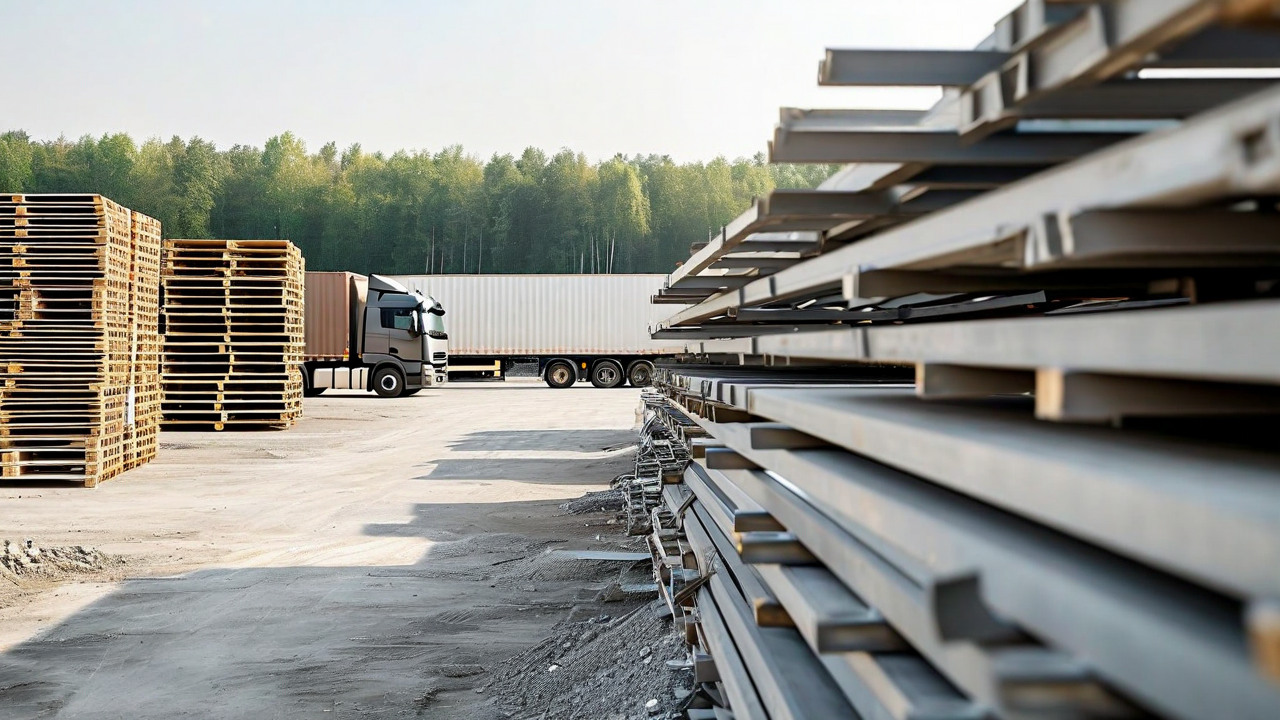
The construction supply chain has always been complex, spanning global networks of raw material producers, component manufacturers, distributors, and specialty fabricators whose coordination determines whether projects can be built on schedule and within budget. For decades, the industry managed this complexity with a combination of long-standing supplier relationships, contingency buffers built into schedules and budgets, and the hard-won intuition of experienced procurement managers who knew which suppliers could be trusted, which materials were most vulnerable to disruption, and when to extend lead times and order ahead.
Recent years have stress-tested this approach severely. Supply chain disruptions driven by global events exposed the fragility embedded in a just-in-time procurement model that had been optimized for cost rather than resilience. Lead times for critical materials stretched from weeks to months. Material prices surged dramatically, blowing up fixed-price contracts that had been executed before the disruptions began. Projects that were scheduled to complete on time found themselves unable to source the materials needed to complete the work. The construction industry discovered, painfully, that its supply chain risk management practices were inadequate for the volatility of the new environment.
AI-powered supply chain intelligence platforms are the industry's most powerful tool for building the resilience that these experiences have demonstrated is necessary. They cannot prevent supply disruptions, but they can dramatically improve the industry's ability to anticipate them, adapt to them, and manage through them without the catastrophic project impacts that caught so many contractors and owners off-guard.
Real-Time Supply Chain Visibility
The most fundamental capability gap exposed by recent supply chain disruptions was visibility. Contractors and owners discovered, to their considerable cost, that they had almost no ability to see emerging supply problems before they materialized as project impacts. By the time a lead time extension or price surge was visible in their procurement systems, the window for proactive response had often already closed.
AI supply chain visibility platforms address this by aggregating data from multiple sources to create a real-time picture of supply chain conditions across the materials categories relevant to a project or portfolio. Market intelligence feeds that track commodity prices, shipping rates, and capacity utilization at major production facilities. News monitoring systems that flag geopolitical events, weather disruptions, or facility incidents that may affect material availability. Supplier performance data that identifies lead time trends before they reach critical thresholds. Combined with predictive models that translate this data into project-specific risk assessments, these platforms give procurement teams the early warning capability they need to respond before disruptions become crises.
Procurement Optimization and Dynamic Sourcing
Traditional construction procurement is sequential and largely static: materials are specified by the design team, bid to pre-qualified suppliers during the procurement phase, and purchased through purchase orders that lock in pricing and delivery commitments months in advance of the installation date. This approach worked reasonably well in stable supply chain environments but creates significant exposure when conditions change between procurement and installation.
AI procurement optimization platforms are introducing dynamic sourcing capabilities that allow contractors to respond to changing market conditions throughout the project lifecycle. Machine learning models that continuously evaluate the cost-risk profile of the supplier landscape for each material category can flag when the contracted source has become suboptimal relative to alternatives — either because the contracted source has developed supply risk, or because an alternative source has become more competitive. Integration with supplier qualification databases ensures that alternative sources can be evaluated and activated quickly when needed, without the delays that traditional qualification processes impose.
Quantity optimization is another dimension where AI is delivering meaningful value. By integrating material quantities from the BIM model with standard supplier unit sizes and minimum order quantities, AI optimization tools can minimize the waste and over-ordering that characterizes traditional procurement — generating material cost savings that can run to several percent of total material spend on large projects.
Demand Forecasting Across Project Portfolios
For large general contractors and construction managers who are simultaneously executing multiple projects, the aggregate material demand across the portfolio creates opportunities for supply chain optimization that individual projects cannot capture. A contractor executing ten projects in a region is a major buyer of structural steel, concrete, and MEP equipment — a buyer with enough volume to negotiate pricing and supply commitments that individual project buyers cannot achieve.
AI demand forecasting systems that aggregate planned material requirements across the entire project portfolio enable this kind of consolidated market engagement. By modeling the quantity and timing of material needs across all active projects and projects in the pipeline, these systems give procurement teams the visibility to approach suppliers with firm demand commitments that support favorable pricing negotiations. They also identify the points in time when aggregate demand across the portfolio will strain specific supply categories — enabling proactive capacity reservation before the market tightens.
Supplier Risk Assessment and Qualification
The qualification of construction material suppliers has historically been a largely manual process: review of financial statements, reference checks with previous customers, site visits to verify production capacity, and assessment of quality management systems. This process is time-consuming, expensive, and rarely comprehensive enough to fully characterize the risk profile of a supplier — particularly for the second and third-tier suppliers whose failures can cascade through the supply chain to affect project outcomes.
AI supplier risk assessment platforms are automating and deepening this process. Natural language processing engines can continuously monitor news and regulatory filings for developments that affect supplier risk — financial distress indicators, labor relations issues, regulatory enforcement actions, or environmental incidents. Machine learning models trained on historical supplier performance data can predict the probability that a specific supplier will experience delivery delays or quality issues based on leading indicators in their performance record. And network analysis tools can map the supplier relationships across the supply chain — identifying the second and third-tier dependencies that create hidden concentration risk when multiple primary suppliers share common upstream sources.
The Resilience Premium in a Volatile World
The construction industry's supply chain risk management practices are evolving rapidly in response to the disruptions of recent years, and the companies that successfully implement AI-powered supply chain intelligence are establishing operational advantages that translate directly into competitive positioning. Contractors with better supply chain visibility can take on projects with tighter margins because they have more confidence in their cost and schedule commitments. Owners who understand their supply chain risk can make more informed decisions about project timing, contract structure, and contingency levels.
The investment opportunity in construction supply chain intelligence is substantial and relatively undercapitalized compared to other construction technology categories. The problem is real, the pain is acute, and the willingness to pay for solutions that demonstrably improve supply chain performance is high. Companies that can combine deep construction procurement domain expertise with sophisticated AI supply chain capabilities are positioned to build large, defensible businesses in a category where the market need is urgently visible.
Key Takeaways
- Recent supply disruptions exposed the fragility of just-in-time procurement models optimized for cost rather than resilience.
- AI visibility platforms aggregate market intelligence, news monitoring, and supplier performance data to provide early warning of emerging supply risks.
- Dynamic sourcing AI enables contractors to respond to changing market conditions throughout the project lifecycle rather than locking in commitments months in advance.
- Portfolio-level demand forecasting enables consolidated market engagement that individual project procurement cannot achieve.
- Supplier risk AI monitors news and regulatory filings continuously to identify supplier risks before they affect project outcomes.
- Construction supply chain intelligence is a relatively undercapitalized category with acute market need and high willingness to pay.
Construction supply chain intelligence is an active investment focus at CoConstruct AI Ventures. If you are building in this space, we would like to hear from you. Get in touch or learn more about our investment philosophy.